

News
Click on the buttons below to find articles on a particular subject:

Pioneering surgery benefits patients
Patients in Wolverhampton can now benefit from pioneering cardiac surgery, enabling them to recover more quickly and spend less time in hospital.
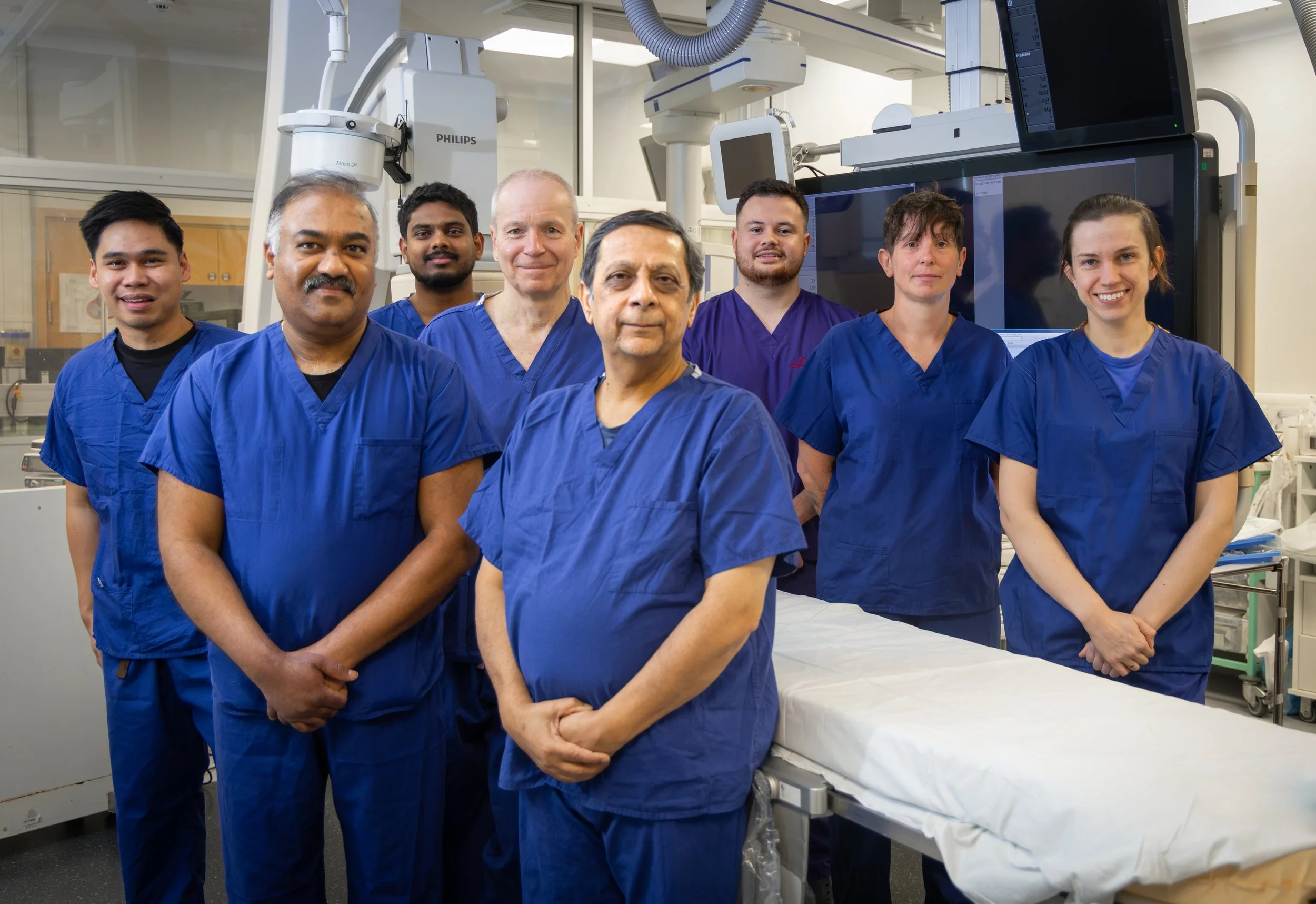
Wolverhampton patient among first in UK to receive new heart device
Wolverhampton patient has become one of the first in the country to receive a new type of implantable cardioverter-defibrillator designed to treat abnormal heart rhythms and prevent sudden cardiac arrest.

New AI tool helps doctors treat cancer patients after heart attack
University researchers have pioneered a new tool to determine the risk of secondary heart attacks in cancer patients using Artificial Intelligence.

Gout medication can reduce the risk of heart attack and stroke, finds new study
A groundbreaking new study, led by experts at the University of Nottingham, has found that medicines used to treat gout can also reduce the risk of heart attack and stroke in people with gout.

East Kent Hospitals tops national stroke audit
East Kent Hospitals’ stroke service has been named the best in the country in a national audit programme.

Targeting the immune system could prevent future heart attacks, clinical trial suggests
Cambridge researchers have discovered that an existing therapy which boosts protective immune cells in people who recently had heart attacks reduces blood vessel inflammation and may reduce the likelihood of future heart attacks.

Mobile Stroke Units could reduce emergency department transfers by 86%
A world-leading expert in stroke treatment from the University of Dundee believes that specialised ambulances could prevent hundreds of unnecessary emergency admissions across Scotland each year while ensuring patients receive the best possible care.

Landmark study reveals hidden frailty crisis in young heart attack patients
Researchers have uncovered a major blind spot in the way doctors assess future health risk in young adults who suffer a heart attack.
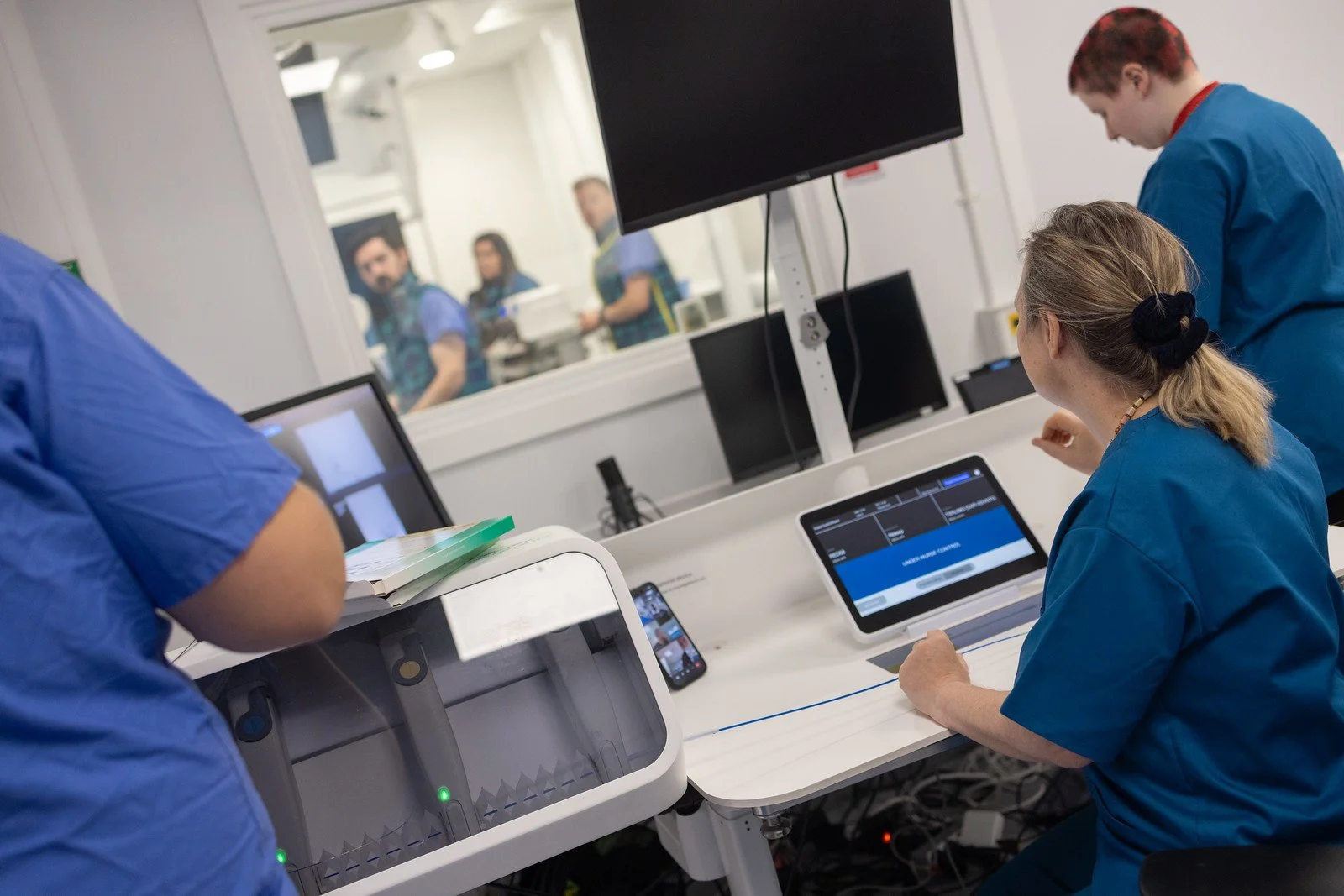
World’s first transatlantic thrombectomy heralds new era of stroke treatment
The University of Dundee has bolstered its position as a global leader in stroke treatment and training by taking part in the world’s first robotic transatlantic thrombectomy.

New clinics improving safety and saving months of waiting for potential heart patients
New ‘rapid access’ clinics believed to be the first of their kind nationally are helping to diagnose people with heart conditions quicker across Lincolnshire.

RUH researchers launch new stroke study
Researchers at the Royal United Hospitals Bath NHS Foundation Trust have launched a new recruitment drive for a study looking at how two different medications might help people who have suffered a particular type of stroke.

Stressors damage kidneys by mutating mitochondrial DNA
Kidney damage that seemingly heals appears to mutate the DNA in the mitochondria of kidney cells, making the organ less resilient to future stressors and reducing its function over time, a study led by UT Southwestern Medical Center researchers in the US shows.

University secures £419,000 for gestational diabetes research
The University of Bradford has been awarded more than £400,000 to carry out research into gestational diabetes among women from different ethnicities.

Artificial intelligence can better predict future risk for heart attack patients
A landmark study led by University of Leicester experts has shown that artificial intelligence can better predict how doctors should treat patients following a heart attack.

Psychological support could improve care for people with kidney disease, new study shows
Researchers found self-confidence training and exercise programmes can help people feel more in control, boost mood and improve physical function.

Researchers discover a new type of diabetes in babies
Advanced DNA sequencing technologies and a new model of stem cell research has enabled an international team to discover a new type of diabetes in babies.

Global study of millions refutes the notion that cardiac events strike without warning
More than 99 per cent of people who went on to suffer a heart attack, stroke or heart failure already had at least one risk factor above optimal level beforehand, reports a large-scale study led by Northwestern Medicine in the US and Yonsei University in South Korea.

Major report tackles Covid cardiovascular crisis head-on
Regular Covid vaccinations should continue worldwide to reduce cardiac risks associated with the virus – according to new University of East Anglia research.

Paediatric diabetes team come out top
The paediatric diabetes team at Good Hope Hospital has topped the table in a national audit which looks at children’s diabetes care.

University launches new centre for cardiovascular research
A new multi-million pound centre to turbocharge cardiovascular research has opened at the University of Leicester.